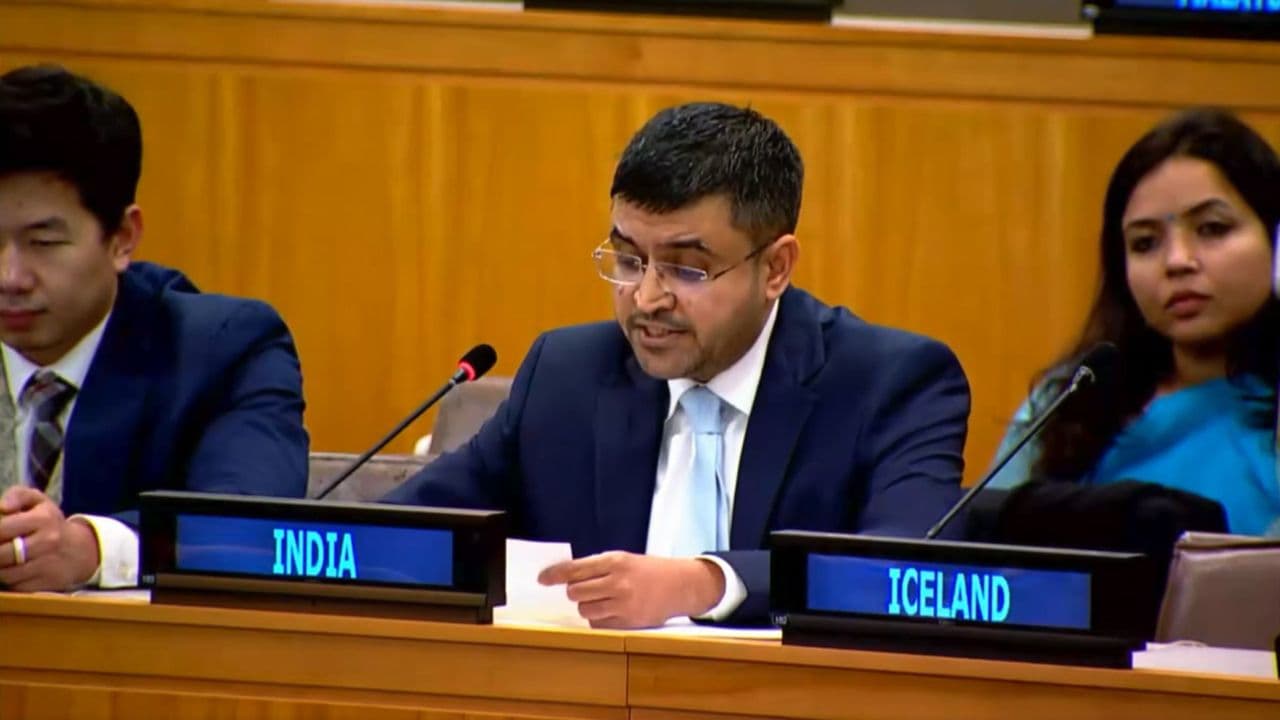
India has criticised what it described as factual inaccuracies in a report by a UN Special Rapporteur, asserting that human rights frameworks must not provide refuge to terrorists or individuals promoting radicalisation and extremism.
Raghoo Puri, First Secretary at India’s Permanent Mission to the United Nations, made the remarks during an interactive dialogue with the Special Rapporteur on the promotion and protection of human rights and fundamental freedoms while countering terrorism at the UN General Assembly’s Third Committee.
Puri said factual inaccuracies in reports prepared by Special Rapporteurs were unacceptable. He questioned the report’s reference to the listing of the leader of “D-Company” for association with Al-Qaida, arguing that the reference, when read in isolation, presented a picture that differed from the broader context.
He said Dawood Ibrahim had been wanted in India in connection with terror attacks since 1993, adding that this was recorded in the narrative summary accompanying his listing under the UN Security Council’s 1267 sanctions mechanism.
Puri further referred to the fact that Ibrahim resided in the same country where Al-Qaida leader Osama bin Laden was found and killed.
The Indian representative reiterated that terrorism could never be justified and stressed that human rights frameworks should not be used to shield terrorists or those propagating radicalisation and extremism.
Responding to remarks made by Pakistan, Puri dismissed its statement as propaganda intended to secure narrow political gains for the country’s military, which he described as its “actual rulers”.